In plain terms
A curtain wall factory audit is you, on site or on camera, checking whether the supplier’s claims match what the building actually contains. Trading companies can quote well; only a factory walk tells you who machines the profiles, who glazes the panels, and who is accountable when a dimension drifts.
Decision data
The one-table curtain wall factory audit
| Area | What to verify | A good sign | A warning sign |
|---|---|---|---|
| Legal & export | Business licence, export licence, factory address matches licence | Registered address is the one you are standing in | Quotation comes from a different company name than the licence |
| Equipment | Extrusion lines or billet intake, CNC centres, glazing benches | Machines match the products shown in the brochure | Photos of products the hall cannot physically produce |
| Quality system | ISO 9001 certificate, inspection records, calibrated tools | Dated inspection sheets you can sample at random | Certificates with no scope, or records printed the morning you arrive |
| Traceability | Batch numbers from extrusion through packing | Any finished crate traces back to a billet batch | “We know our material” without documents |
One table, four areas. If any column cannot be verified in a day, treat the audit as unfinished.
Why the factory, not the brochure, decides your risk
Most facade disputes trace back to a gap between what was promised and what the process could hold. A brochure shows finished buildings; it says nothing about who corrects a die when a profile drifts, or who decides whether a scratched panel ships or stays. Those decisions happen on a factory floor, which is why serious buyers schedule a curtain wall factory audit before signing, not after the first container.
Foshan earns its place on the shortlist before any audit begins. It is the centre of China’s aluminium industry: extruders, die shops, anodising and powder-coating lines, gasket and hardware suppliers sit within a short radius of each other. That concentration is why the city can hold both the lead times and the tolerances that scattered supply chains struggle with. But a strong cluster is not a guarantee; within the same district you will find Tier-1 plants with in-house testing and workshops that assemble other people’s profiles. The audit is how you tell them apart.
An audit is not an inspection. Inspection checks product; an audit checks the system that produces the product. A factory that measures incoming aluminium billets, logs machining data and keeps rejected batches physically separated will catch problems before they are glazed, packed and floated across an ocean.
Desktop checks before you book the flight
Three checks cost nothing and filter out most weak candidates before the curtain wall factory audit is booked. First, ask for the business licence and confirm the registered address is the Foshan factory you intend to visit, not a sales office in Guangzhou or Shenzhen. Second, ask which recent projects used the same system you are buying, with contactable references. Third, request the scope of the supplier’s ISO 9001 certificate, not just the certificate itself; a certificate that covers “trading of building materials” tells you nothing about manufacturing.
Suppliers who answer these three questions in writing, quickly, are usually worth the flight. Suppliers who answer with brochures rarely are. If you are comparing more than one candidate, start with the five questions in 5 Questions to Ask Before Importing a Facade System. They cover the same ground from the buyer’s side before you commit to a visit.
The walk-through: floor by floor, in process order
The walk-through is the core of any curtain wall factory audit — walk the factory the way material flows, and you will see the whole system in one loop. Bring a tape measure, a caliper if you have one, and a phone camera; ask to photograph the machines, the inspection records and the batch labels you see. Notes you write from memory after lunch are not worth much.
Billet intake and extrusion. Ask where the billets come from and whether composition certificates arrive with each batch. Our own lines run one 1,800 t press and two 1,000 t presses, extruding 6063 and 6061 alloys, which sets the profile sizes we can press in-house. Extrusion dies are cut by long-term partner die makers — a common and workable arrangement in Foshan; what matters for your project is that die ownership, drawings and revision control are written into the contract.
Machining. Look for the CNC centres, the cutting and drilling stations, and how offsets are set. Ask to see a machined component checked against its drawing while you watch.
Assembly and glazing. For unitized work this is the heart of the factory: glazing benches, gasket installation, and the final airtightness checks before panels are tilted and racked.
Quality station. Ask to pull three inspection records at random, from three different months. The paperwork either exists as a habit or it does not. For reference, our own outgoing inspection measures 100% of key dimensions on every profile, applies AQL batch sampling under GB/T 2828.1, and sends six extrusions from each batch for laboratory testing against GB/T 5237 and GB/T 14846.
Packing and dispatch. How panels are braced, corner-protected and container-loaded decides your breakage rate more than any handling instruction PDF. The full sequence from approved drawings to a loaded container is walked through in From Drawings to Container: A Real Delivery Timeline.
Factory floor evidence: four photographs every auditor should ask for
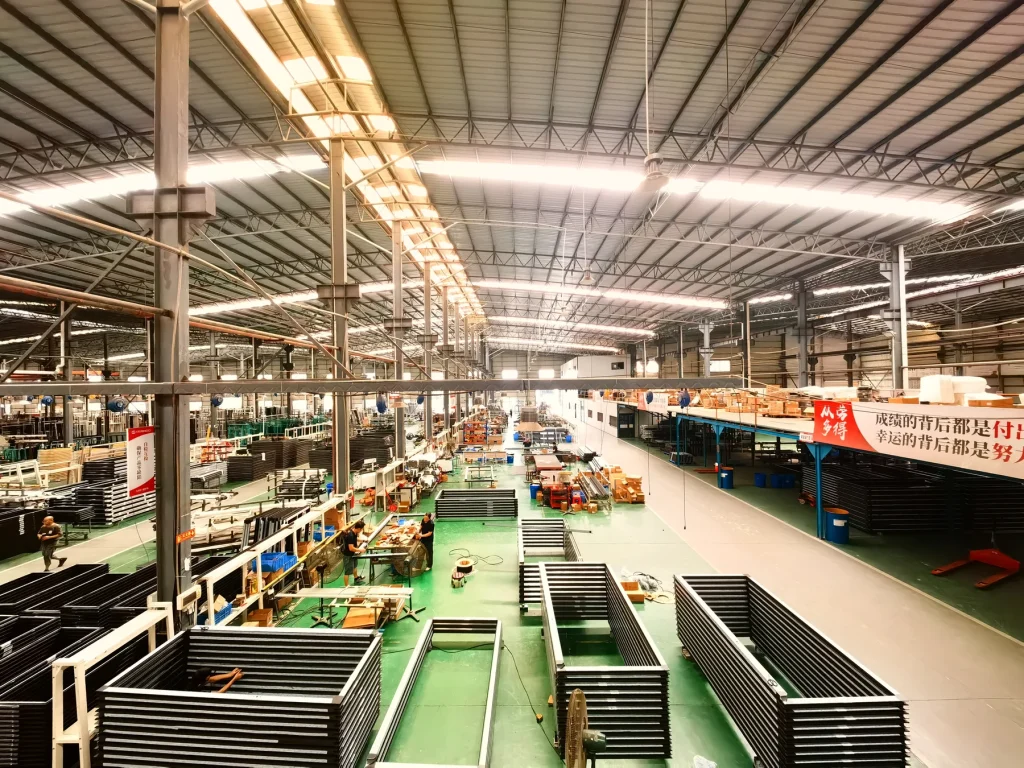
A supplier’s own marketing images are not evidence in a curtain wall factory audit; dated, station-specific photographs are. The four images below were taken inside the same Foshan complex and map directly onto the walk-through stations above. When you ask for a video audit, ask the guide to start the camera at the station that matches each photograph, not a different hall.
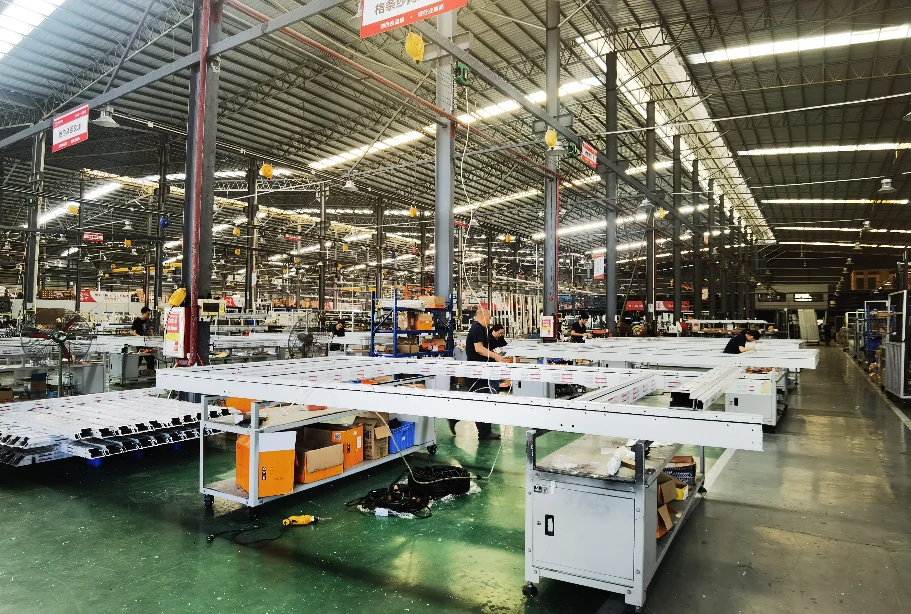
Assembly and glazing. Workers inspecting unitised curtain wall frames on the glazing line. If the assembly benches in this image do not match the benches you are shown on camera, the supplier may be filming a different plant.
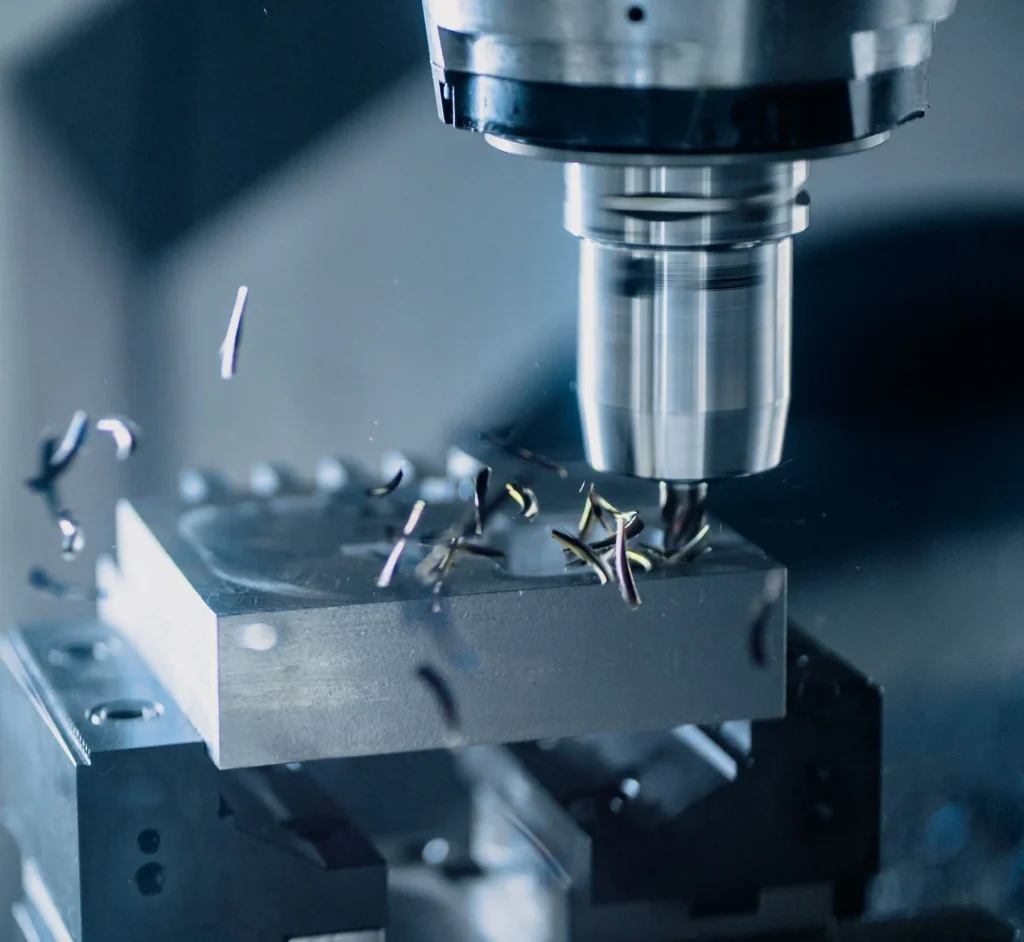
CNC machining centre cutting an aluminium component. Ask to see one part checked against its drawing while you watch. Photo: Starveil Facade.
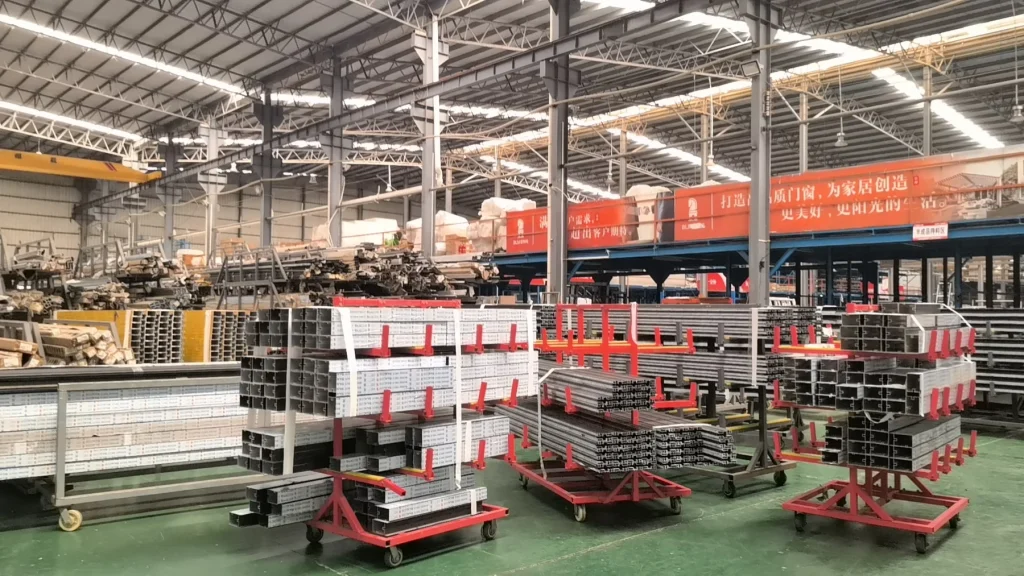
Billet intake and extrusion storage. Anodised aluminium profiles racked by alloy and finish before machining. Auditors should check that the tags visible on each bundle match the billet certificates they are given.
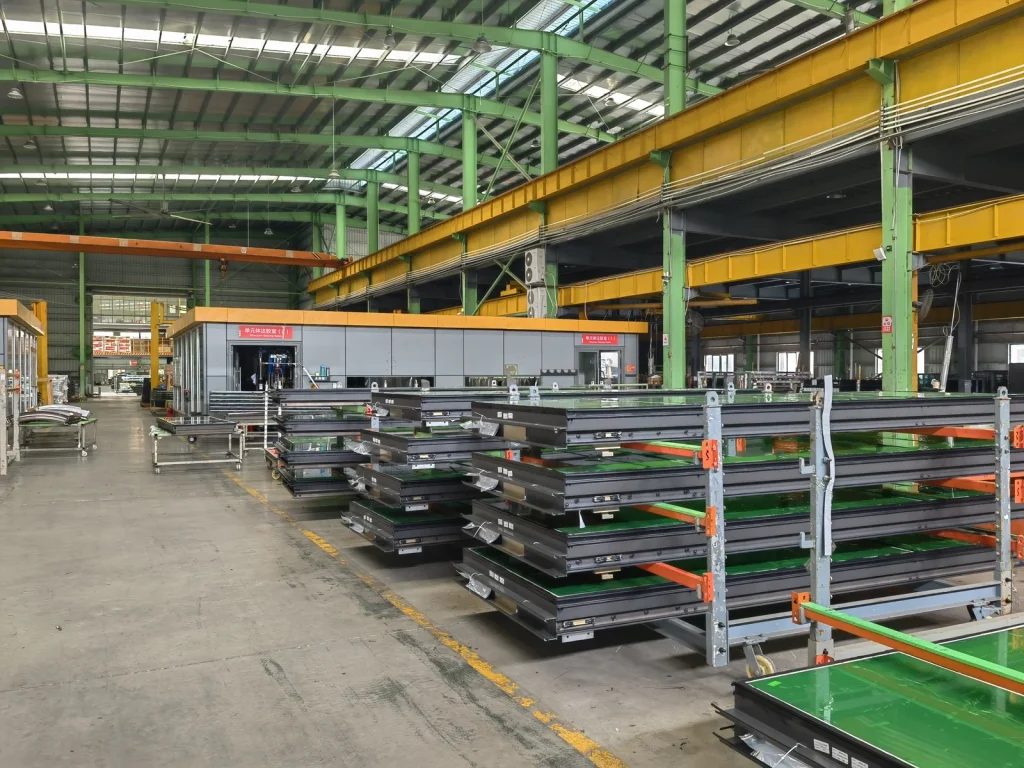
Unitised panel curing racks. Glazed panels separated and stacked after assembly; the green inner layer marks completed double-glazed units. Look for rack labels and corner protection in this frame.
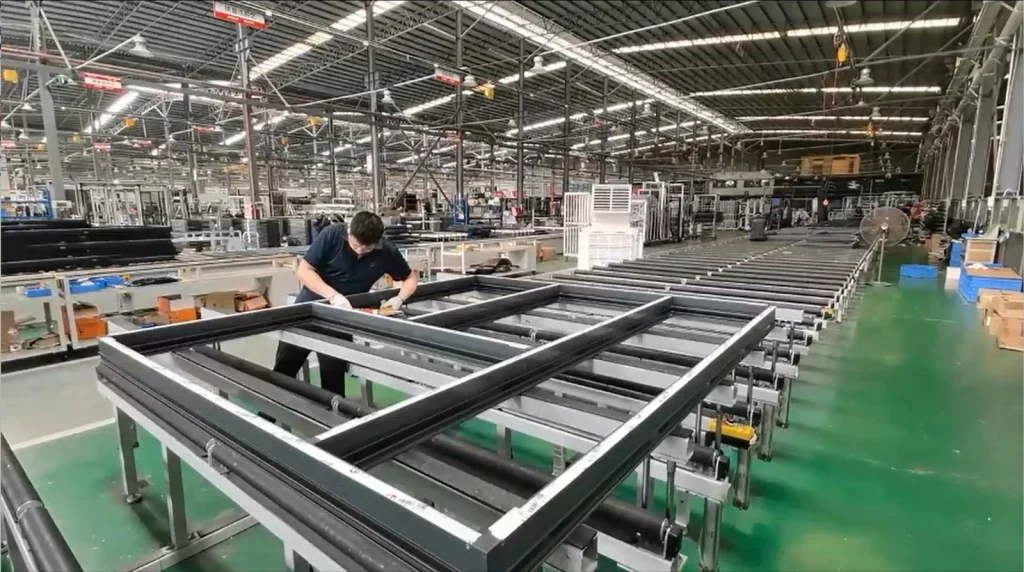
Assembly and gasket bench. A worker checks gasket placement on a curtain wall frame before it moves to glazing. The bench is part of the same assembly sequence you should see on a live video audit. Photo: Starveil Facade.
How to use these in the checklist. When you send the curtain wall factory audit request, attach these four image captions and ask the supplier to recreate each view during the live walk. A plant that actually produces your system will be able to do this in minutes; a plant that outsources assembly will often skip one station or change the angle.
Documents to request on site
Every curtain wall factory audit should end with copies, not promises: the ISO 9001:2015 certificate with its scope page, billet composition certificates for one recent batch, the GB/T 5237 test report that should exist for that same batch, and two or three dated inspection records. Also collect the calibration certificates for the measuring equipment used on your product type, and the packing specification used for your destination port. If a document “is with the other office”, that is itself an answer.
The same evidence supports the test reports your consultant will ask for later. Which certificates matter for an imported facade is covered in Certifications That Matter: CE / ASTM / Local Approvals.
If you cannot travel: the video audit
A live video walk, following the same stations in the same order, closes most of the distance. Ask the supplier to stream from the factory floor, on a weekday, moving from billet intake to dispatch, and to open inspection record folders on camera. Starveil Facade runs these audits regularly and has exported facade packages to buyers in more than 40 countries. We treat a recorded video audit as equivalent to a first visit for pre-contract purposes.
Recorded walkthrough videos have their place, but they are marketing. A live stream, where you choose which corner of the hall to point the camera at, is a curtain wall factory audit on screen.
Rank Math FAQ block
Frequently asked questions
How long does a curtain wall factory audit take?
A structured one-day visit covers a single-site factory. Split-site operations, where extrusion and glazing happen in different halls, need either two half-days or a supplier who can walk you through both sites in one programme.Two days is the practical ceiling for a single-site curtain wall factory audit; anything longer usually means the scope was never agreed in advance.
Can a third-party inspection replace my own curtain wall factory audit?
It complements but does not replace it. Third-party firms such as SGS supplier audits or BV are strong on product inspection against a specification, and we host such inspections as a standard part of export orders. Your own eyes are better at judging whether the process, the people and the paperwork form one system. Many buyers combine a first personal audit with third-party inspections at production milestones.
Should I audit before or after signing the contract?
Before. An audit changes what you negotiate: payment terms, inspection gates, even which system you buy. After signature your leverage is limited to the contract you already signed.
What does a factory audit in Foshan cost?
A self-managed visit costs travel and two days of time; Foshan is around two hours from Hong Kong by high-speed rail, so audits are often folded into a wider Guangdong trip. A third-party audit in the Pearl River Delta typically runs a few hundred US dollars per man-day plus expenses. Against the value of a facade package, both are rounding errors.
How do I check that an ISO 9001 certificate actually covers manufacturing?
Ask for the certificate plus its scope page, then read the scope. If it says “trading of building materials” or names a different address than the factory you visited, the manufacturing quality system is not certified. You can also ask the certification body directly; accredited certificates are verifiable, and a supplier who resists that check is answering a different question than the one you asked.
What if the supplier declines a live curtain wall factory audit?
Treat it as a finding, not an inconvenience. There are legitimate reasons to schedule a walk a few days out, but a supplier who will only send a recorded video, or who restricts which corners the camera can show, is telling you what the audit would have found. Buyers who hit this wall usually shortlist a second candidate in the same cluster before committing.
About the author