النسخة المكونة من خط واحد
Thermal performance in a hot-desert facade is controlled by the whole envelope — solar-control glass, thermal-break frames, external shading and condensation-safe interior surface temperatures. A low centre-of-glass U-value does not, by itself, prove comfort.
بيانات القرار
Hot-climate thermal performance decision matrix
| Design variable | Performance effect | Common mistake | Review action |
|---|---|---|---|
| Solar heat-gain coefficient | Changes transmitted solar load | Choosing by tint or appearance alone | Compare by elevation and room use |
| Frame and glass edge | Affects whole-system U-value and surface temperature | Quoting centre-of-glass performance only | Review thermal break and junctions |
| External shading | Stops direct sun before it reaches glass | Adding decorative fins without solar geometry | Model depth and spacing by orientation |
| Interior temperature and humidity | Sets condensation risk at cold surfaces | Using one indoor assumption for every space | Check pools, kitchens, majlis and chilled zones |
انتقل لأسفل للأمام لكي تقارن كل الأربع أعمدة على الهاتف المحمول.
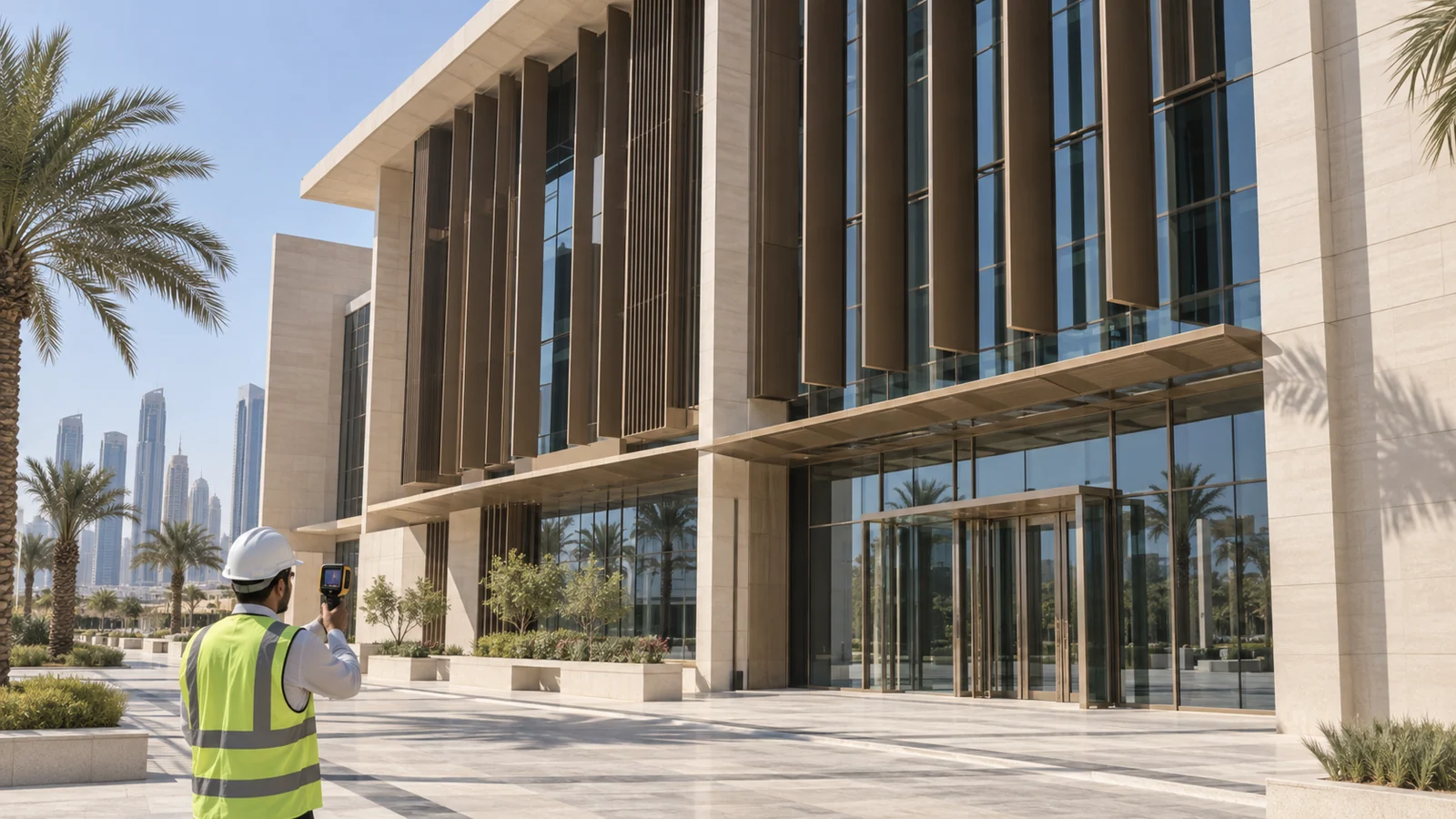
The climate changes the question
In a hot-desert climate, the envelope spends much of the year resisting heat flow inward. Direct solar exposure, high external surface temperatures and large glazed areas can dominate the cooling story, while coastal humidity introduces a different condensation risk at chilled interior surfaces.
A useful model therefore starts with orientation and room use rather than one project-wide glass description.
Tune glass by elevation
Solar-control coatings affect heat gain, visible light and exterior colour. A west-facing living space may need a different balance from a shaded courtyard or north-facing stair. Treating every elevation as identical simplifies procurement but can compromise comfort and appearance.
The glass schedule should record performance targets and visual intent together so the engineering result does not surprise the architect in daylight.
Do not ignore the frame
A strong centre-of-glass value cannot compensate for poorly controlled frame conduction, opaque zones or perimeter interfaces. Thermal performance depends on thermal breaks, frame depth, gasket arrangement and connections to adjacent construction all influence interior surface temperatures.
Ask for whole-system reasoning and junction details, not only a glass data sheet.
External shading changes the equation
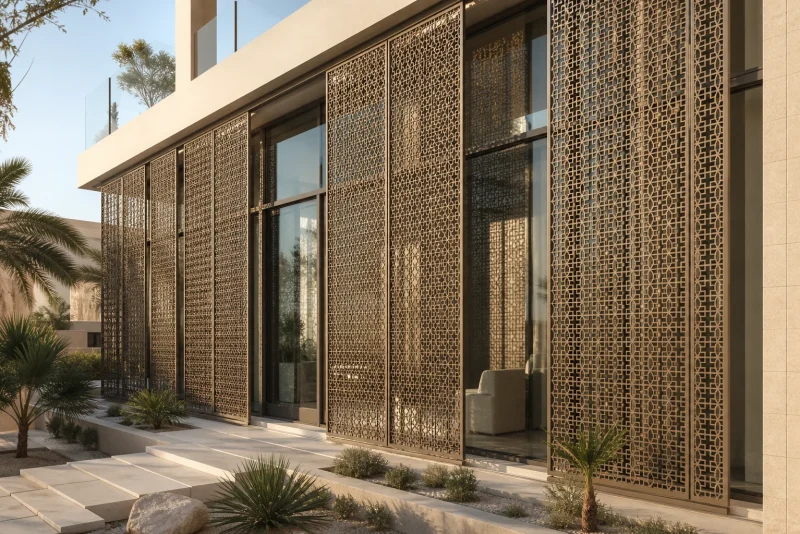
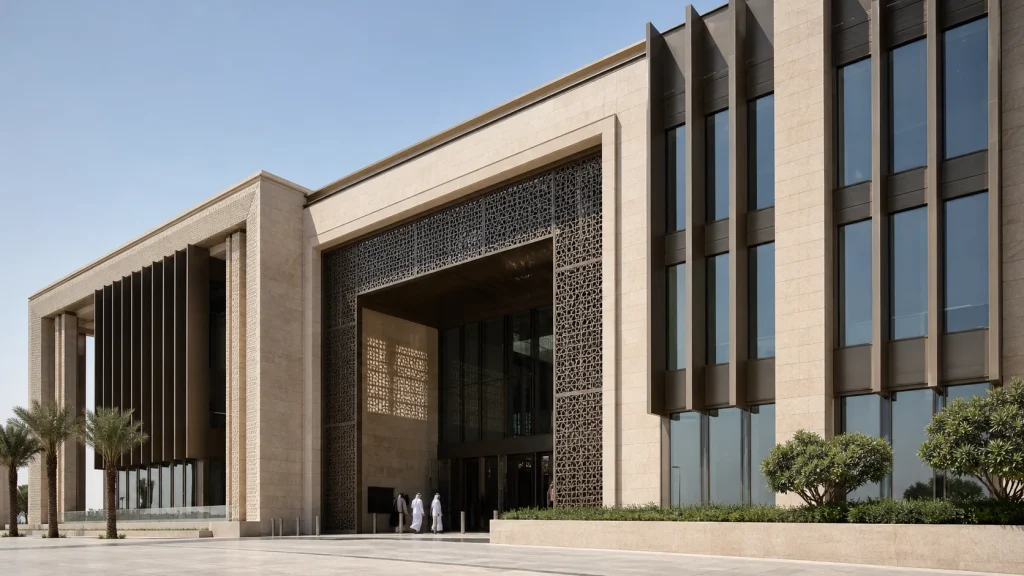
Stopping direct sun before it reaches the glass can reduce glare and lower the thermal burden on the glazing behind it. Fins, canopies, perforated panels and Mashrabiya screens are most effective when their depth and spacing respond to orientation.
This is where climate engineering can become architecture: the shading layer gives the facade rhythm, depth and privacy while doing measurable environmental work.
Check the interior condition
Interior temperature and humidity set the condensation side of the problem. Majlis spaces, pools, bathrooms, kitchens and highly chilled rooms should not inherit the same assumptions.
The final review should connect exterior exposure, interior set points, glass edges, frame temperatures and local air movement at critical junctions.
ملف قرار المشروع
Model junctions and interior set points together
Whole-envelope thermal performance work starts with a small number of representative zones: vision glass, spandrel, mullion and transom, slab edge, perimeter, corner, roof or canopy connection, entrance and any deep screen fixing. The model should use project-specific glass, aluminium, insulation, fasteners and adjacent construction. Centre-of-glass data remains useful, but it cannot describe frame conduction, edge effects or a metal bracket crossing the insulation line.
Interior assumptions matter as much as exterior climate. Record room temperature, relative humidity and air distribution for typical offices, residences, entrance lobbies and high-moisture spaces. Review interior surface temperatures at critical junctions against the agreed condensation-risk method. Highly chilled rooms and coastal humidity can produce a different risk from an inland space with the same exterior elevation, which is why one generic project-wide assumption may be misleading.
Use the results to make design decisions while geometry can still change. Compare glass ratio, coating, frame depth, thermal break, spandrel insulation, shading depth and opaque zones, then check their effect on daylight, glare, exterior colour and maintainability. The final report should state software and method, boundary conditions, material values, modelled junctions and limitations. Local energy compliance and professional sign-off remain with the appointed destination team unless expressly included in writing.
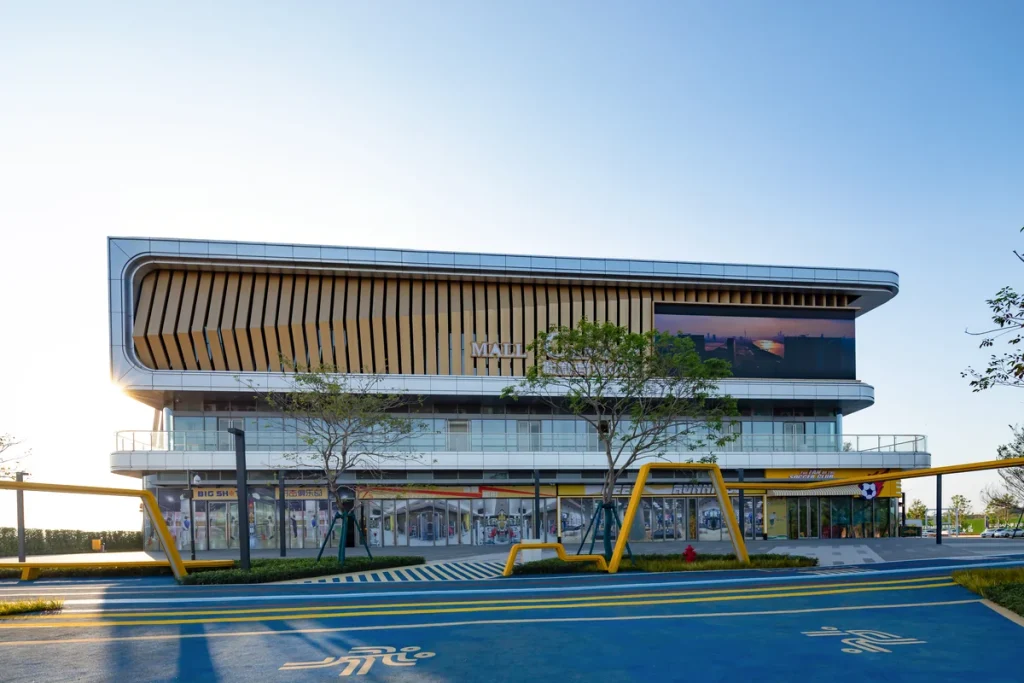
عرض تجاري في بانكوك سوكومويت
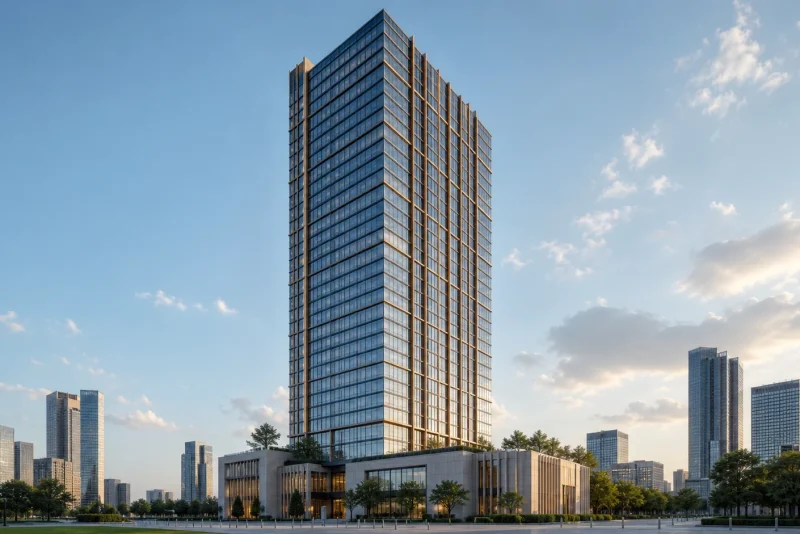
مجمع تجاري مكون من طابقين في منطقة الأعمال المركزية في سوتشمويت في بانكوك، مصمم كوجهة تجارية وترفيهية مميزة. طلب المخطط المعماري وجود واجهة حديثة تحمل علامة تجارية، تجمع بين الشفافية في الطابق الأرضي مع حجم مرتفع مصمم بشكل فني، وباقة مواد دافئة بما يكفي لتبدو ذات جودة عالية، لكنها متينة بما يكفي لقبول حرارة بانكوك ومطر الموسمية والأشعة فوق البنفسجية طوال العام.
فتح سجل المشروعالصور كافية لبدء العملية.
ابدأ بالتقرير المفيد الأدنى.
للحصول على إجابة خاصة بمشروع معين، أرسل المعلومات المتاحة الآن. سنحدد العناصر الأساسية المفقودة بدلاً من طلب منك إكمال التصميم قبل أول محادثة. وفي حال عدم توفر الرسومات، فإن الصور العريضة والأبعاد الأولية كافية لبدء العملية.
- المدينة المقصودة، والمتطلبات التنظيمية، والمستشار المعين
- التكوّن المقترح للزجاج والألمنيوم والطلاء والواجهة
- Known wind, thermal performance, acoustic, fire or water criteria
- التقارير والتحليلات والملاحظات المتعلقة بالموافقة المتاحة
- الجهة المسؤولة عن المراجعة المحلية والتوقيع والإيداع
ملخص القرار
Quick summary
- Use whole-window and whole-facade values.
- Model critical junctions, not only centre glass.
- Coordinate shading with daylight and views.
- State indoor conditions used for condensation checks.
Thermal performance design is most valuable early, when glass ratio, orientation response, shading depth and opaque zones can still change. Once the elevation is frozen, engineering is left optimising within a much smaller box.
المعايير والمراجع
المعايير والمراجع
تأكد من صحة الطبعة السائدة ومدى قابلية المشروع للتطبيق مع المستشار والسلطة المعينين.
المنصة التعليمية Rank Math FAQ
الأسئلة الشائعة
Is darker glass always better for a hot climate?
No. Visible colour does not reliably describe thermal performance, daylight or exterior reflectance. Select coatings from measured optical and thermal properties, then review physical samples and elevation-wide appearance.
Can external shading replace high-performance glass?
Shading can reduce direct solar exposure but does not remove thermal performance requirements for insulation, air and water control, safety, wind resistance or diffuse solar gain. The layers should be designed as one system.
Why does the aluminium frame matter so much?
Aluminium conducts heat readily. Thermal breaks, frame depth, glazing pockets, anchors and adjacent interfaces affect whole-system performance and interior surface temperatures, especially near edges and opaque zones.
What inputs are needed for a first thermal performancereview?
Provide city, orientation, building use, elevation drawings, glass area, interior temperature and humidity assumptions, shading geometry, preferred appearance and any energy or comfort targets from the local consultant.
حول الكاتب