الأساسيات
Importing a facade means sourcing an engineered envelope from an overseas manufacturer. It succeeds when scope, build-up-specific test evidence, verified site geometry and a written responsibility matrix are agreed before the deposit.
بيانات القرار
Five questions before importing a facade
| Question | Evidence to request | Risk if unanswered | Responsible decision |
|---|---|---|---|
| What exactly is supplied? | Detailed inclusions, exclusions and interface matrix | Missing brackets, seals, fire or perimeter work | Client, contractor and supplier |
| Does evidence match? | Build-up-specific reports and project calculations | Generic certificates rejected during review | Consultant and facade engineer |
| How is geometry verified? | Survey protocol, tolerances and hold point | Fabricated panels do not fit the structure | Surveyor and installer |
| How will it reach and close the building? | Import plan, packing sequence and installation method | Storage, damage, customs or crane delay | Importer, logistics team and contractor |
انتقل لأسفل للأمام لكي تقارن كل الأربع أعمدة على الهاتف المحمول.
1. Who engineers it?
Ask who signs the calculations, and whether the engineering is done in-house or bought in as a template. A facade is a structural product; the supplier should speak about loads, deflection and movements the way a structural engineer speaks about columns: fluently, and with your project’s numbers rather than generic ones.
2. What exactly is in the container?
A professional quotation reads like a manifest: system components by line, glazing build-up by elevation, fixings, gaskets, sealant, setting-out hardware, spares. If the answer is ‘complete curtain wall’, keep asking. The container is where ambiguous quotations become change orders.
3. What do the test reports cover?
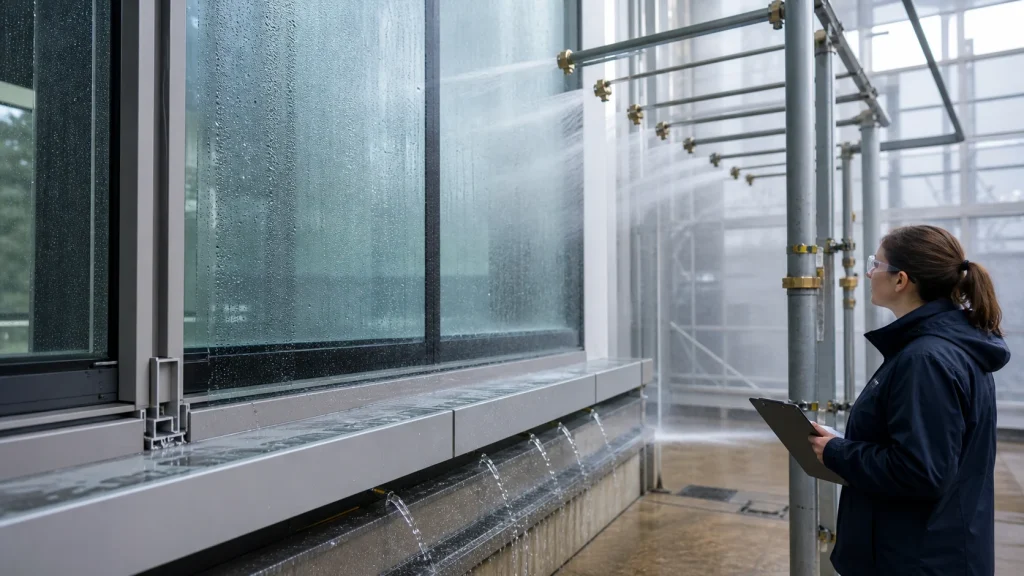
Reports exist for specific build-ups under specific standards. Ask whether the tested configuration matches your glazing, your spans and your wind loads. See our certifications guide for the full checklist — the short version: report plus certificate, matched to your configuration, from a laboratory you can name.
4. Who fixes problems at 2 a.m.?
Ask what happens when a question stops the crew during installation. The contract should identify the technical contact, working hours, response priorities, information the site must provide and the escalation route. A response target is useful only when its time zone, severity levels and exclusions are written down.
5. What happens at the interface?
When you are importing a facade, the project lives or dies at the joints between scopes: who drills the embeds, who verifies the slab edge, who owns the sealant line between the facade and the neighbour’s wall. The supplier should raise these questions before you do — a scope matrix agreed in writing is the mark of someone who has done this before. If the conversation never gets more specific than price per square metre, walk.
ملف قرار المشروع
Add the commercial checks behind the technical questions
Technical competence on its own does not make importing a facade safe.. Confirm the contracting entity, currency, payment milestones, Incoterm and named place, importer of record, duty and tax assumptions, marine insurance, document set and route for claims. The quotation should distinguish material supply, engineering, testing, packing, freight, supervision and installation so the client can compare like with like and understand which local costs remain outside the overseas contract.
Connect payment to verifiable progress rather than calendar dates alone. Suitable milestones may include approved design basis, signed shop drawings, material release, first-article inspection, production completion, pre-shipment inspection and shipping documents. The exact arrangement is commercial, but the evidence for each milestone should be clear. Agree how substitutions, late client changes, shipment holds and rejected work are handled before they occur.
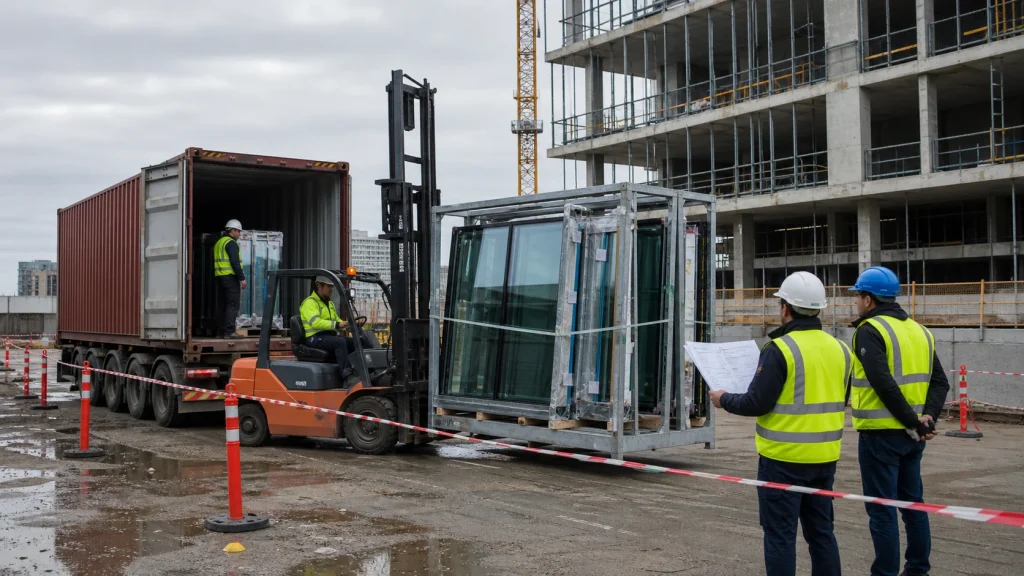
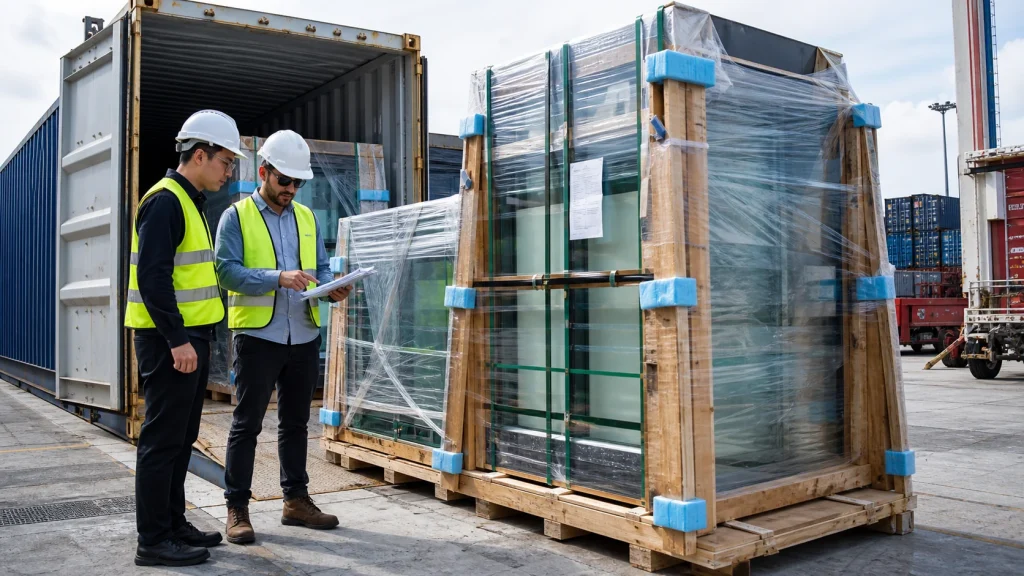
Plan the destination side of importing a facade with equal care.. The importer, customs broker, contractor and installer need the product descriptions, classifications, packing list, weights, dimensions and arrival sequence early enough to prepare clearance, transport, storage and lifting. Verify who inspects containers and records damage on arrival, how missing or damaged parts are reported, and which spares travel with the first shipment. A strong overseas supplier can support this chain, but cannot silently perform roles that the destination law or contract assigns locally.
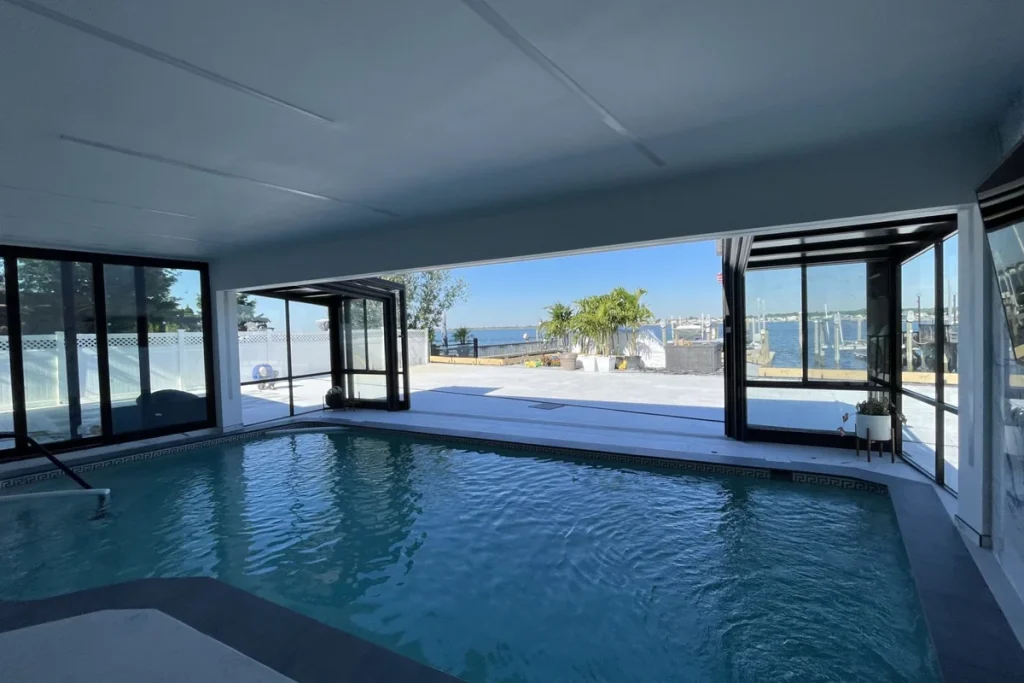
حجز حديقة السباحة والحديقة الشمسية في لانغ آيلاند
منزل خاص في جزيرة لونغ آيلاند، يضم حديقة خلفية على جانب الميناء. أراد المالك حوض سباحة ومساحة داخلية مغلقة يمكن أن تفتح بالكامل على مناظر المياه في أيام الطقس الجيد، وتغلق في الأيام الباردة دون أن يشعر بالمكان كمنظومة مسبقة التصميم.
فتح سجل المشروعالصور كافية لبدء العملية.
ابدأ بالتقرير المفيد الأدنى.
للحصول على إجابة خاصة بمشروع معين، أرسل المعلومات المتاحة الآن. سنحدد العناصر الأساسية المفقودة بدلاً من طلب منك إكمال التصميم قبل أول محادثة. وفي حال عدم توفر الرسومات، فإن الصور العريضة والأبعاد الأولية كافية لبدء العملية.
- رسومات أو صور وموقع المشروع المعتمد
- الكميات التقريبية وأحجام الوحدات وسلسلة الإطلاق
- تاريخ التسليم المطلوب والميناء المقصود أو الطريق الداخلي
- افتراضات المستورد والتخزين والرفع والوصول
- فريق التثبيت المحلي وخدمة الدعم المطلوبة لـ T1 أو T2 أو T3
ملخص القرار
الضروريات
- Compare landed scope, not factory price.
- Confirm importer and customs responsibilities.
- Verify dimensions before release.
- Plan spares and damage reporting.
A cross-border facade should arrive as an engineered installation package, not a container of anonymous parts. Clear scope, traceability and a prepared local team turn distance from a risk into a manageable workflow.
المعايير والمراجع
المعايير والمراجع
تأكد من صحة الطبعة السائدة ومدى قابلية المشروع للتطبيق مع المستشار والسلطة المعينين.
المنصة التعليمية Rank Math FAQ
الأسئلة الشائعة
Who should act as importer of record?
The answer depends on destination law, commercial terms and the parties’ capability. It should be agreed with a qualified customs adviser before shipment. A facade supplier should not imply that an Incoterm removes local importer obligations.
How can a client inspect production remotely?
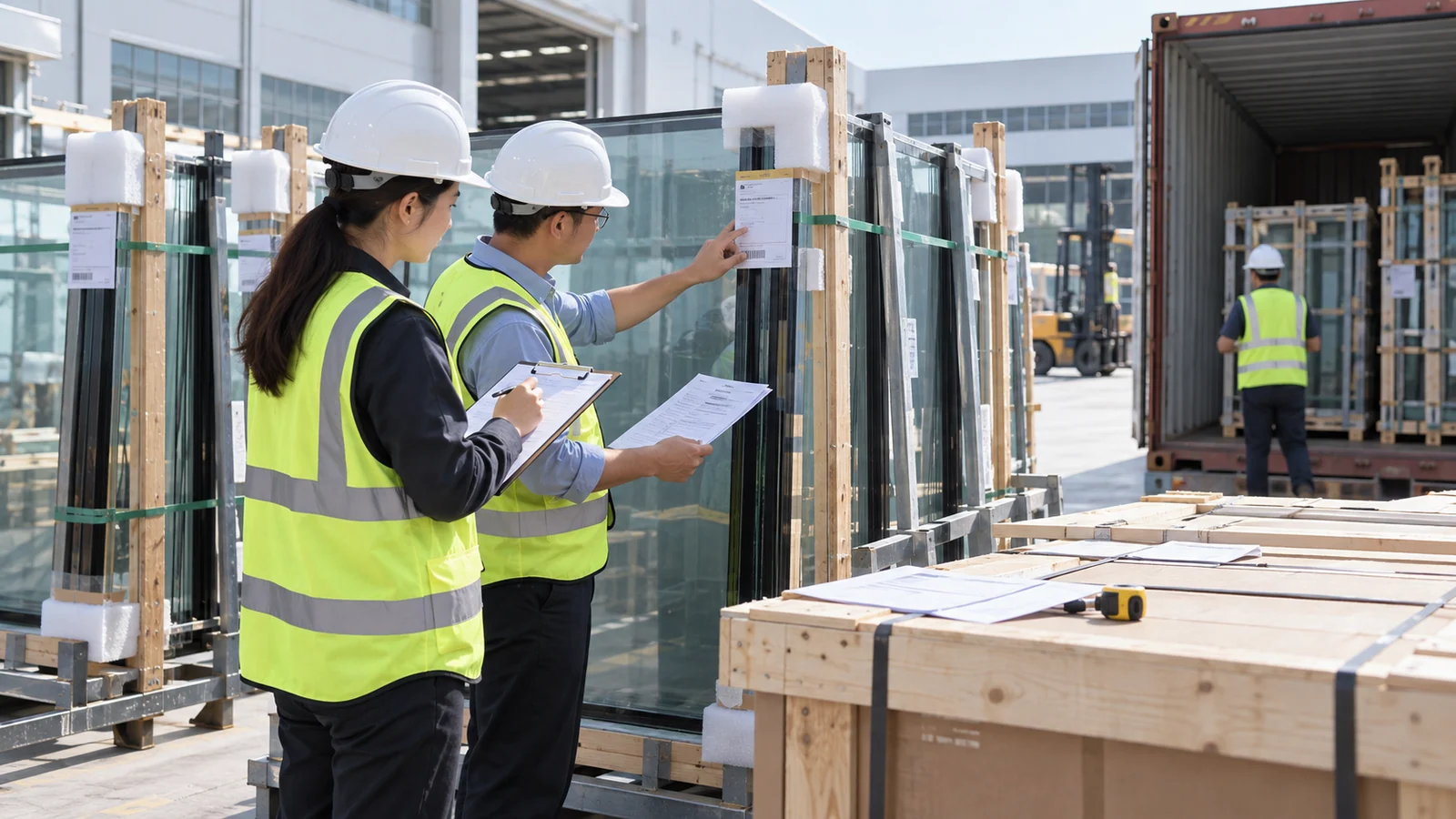
Use agreed hold points, material records, dimensional checks, glazing logs, batch identification, dated photographs, video review and, where justified, independent inspection. The evidence should reference the approved drawing and panel schedule.
What spares should ship with the facade?
Project-specific gaskets, caps, fasteners, touch-up materials, sealant accessories, hardware and replaceable items should be assessed by risk. The list should prioritise parts that could stop installation or be difficult to source locally.
Who owns damage after delivery?
The contract and shipping term must define transfer of risk, inspection timing, evidence required, storage conditions and claim procedure. Site teams should photograph packaging before unloading and report damage before installation.
Is importing a facade from China cheaper than buying locally?
Often yes on unit price, but only a landed-cost comparison is meaningful: freight, duty, marine insurance, site storage and installation support change the total. When importing a facade from China, compare landed scope, not factory price.
How long does importing a facade take?
From approved shop drawings, engineering and fabrication typically take six to ten weeks and ocean freight three to six weeks depending on destination. Importing a facade on a realistic schedule means locking drawings early and arranging customs clearance before the container ships.
What documents should accompany an imported facade?
A complete pack includes the packing list, panel schedule, QA records, material and coating certificates, structural calculations, test evidence and the certificate of origin. Importing a facade without a full document pack slows both customs clearance and local approval.
Does the supplier supervise installation when you import a facade?
Only if the contract says so. Design-supply ends at delivery; design-supply-install adds site labour. When importing a facade, agree in writing whether supervision, remote support or full installation is included, and who owns the interface tolerances.
What standards should an imported facade meet?
The standards of the destination market, not the factory’s home market: ASTM and AAMA for North America, AS 2047 for Australia, EN 13830 for Europe and much of the GCC. Importing a facade that was tested to the wrong standard fails approval at the worst possible time — after the panels arrive.
حول الكاتب